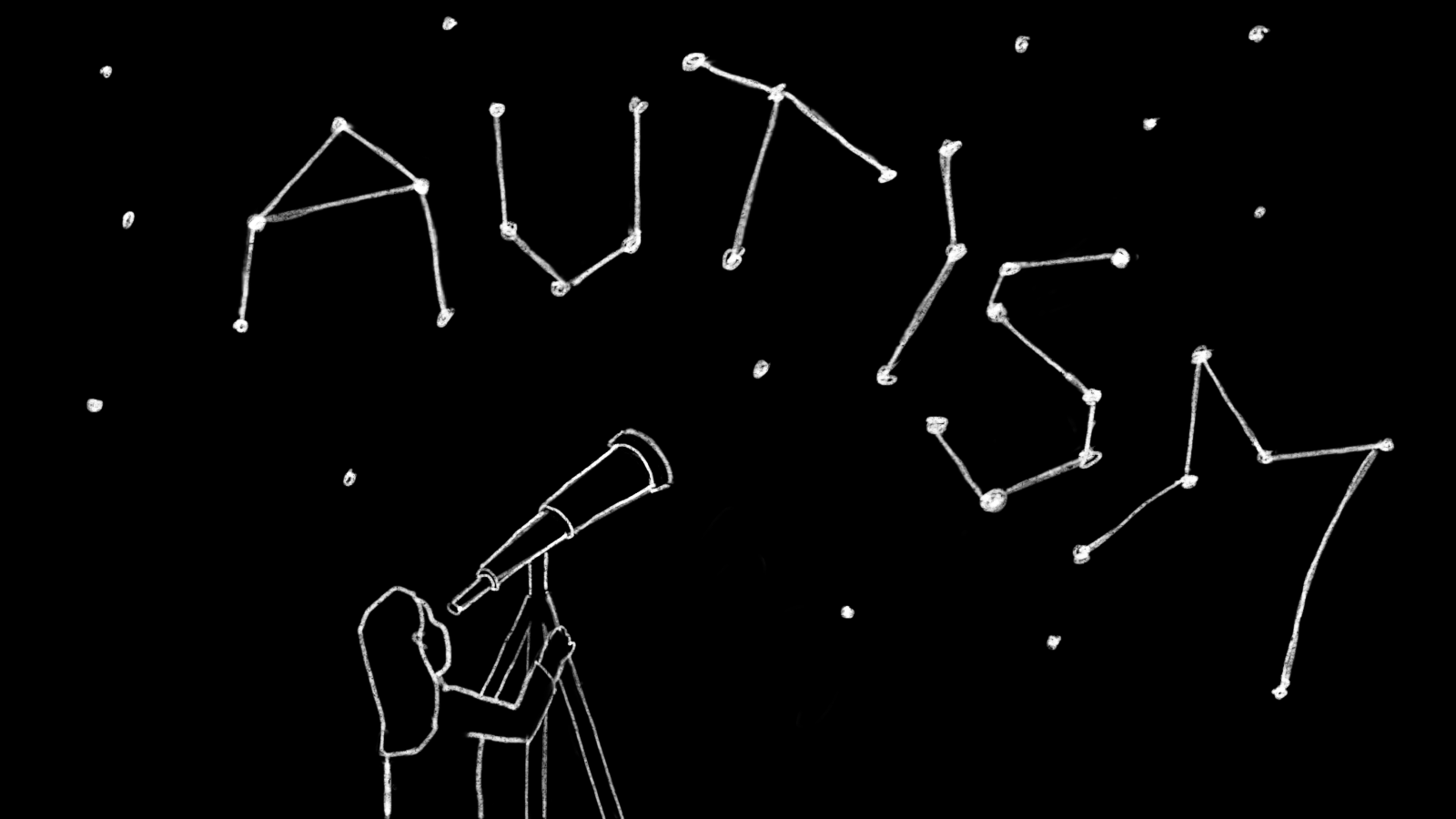
Nobody knows.
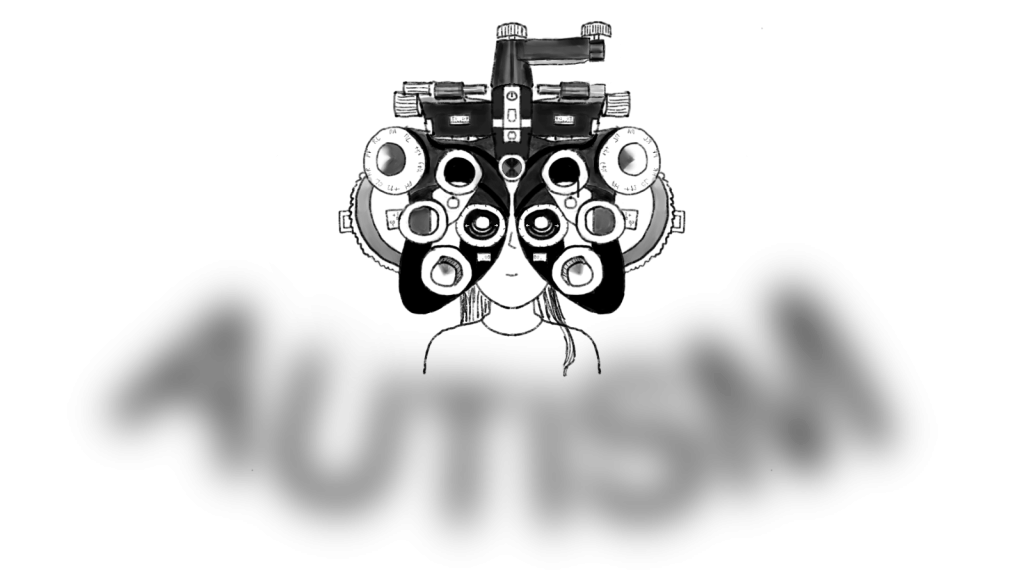
OK, some experts know something, but a lot of the explanations feel vague. And, being autistic, I don’t like vagueness. Hence this website. I want to understand this thing called “autism”, which I apparently have. A blurry concept from common understanding doesn’t suffice. Even a diagnostic manual doesn’t explain it enough for me. I need a lot more information to get this thing in focus.
Before I had my formal assessment, I wanted to be certain I had autism. This seems to put things in the wrong order. But, in typical fashion, I don’t like going into something and not knowing what’s waiting for me on the other side.
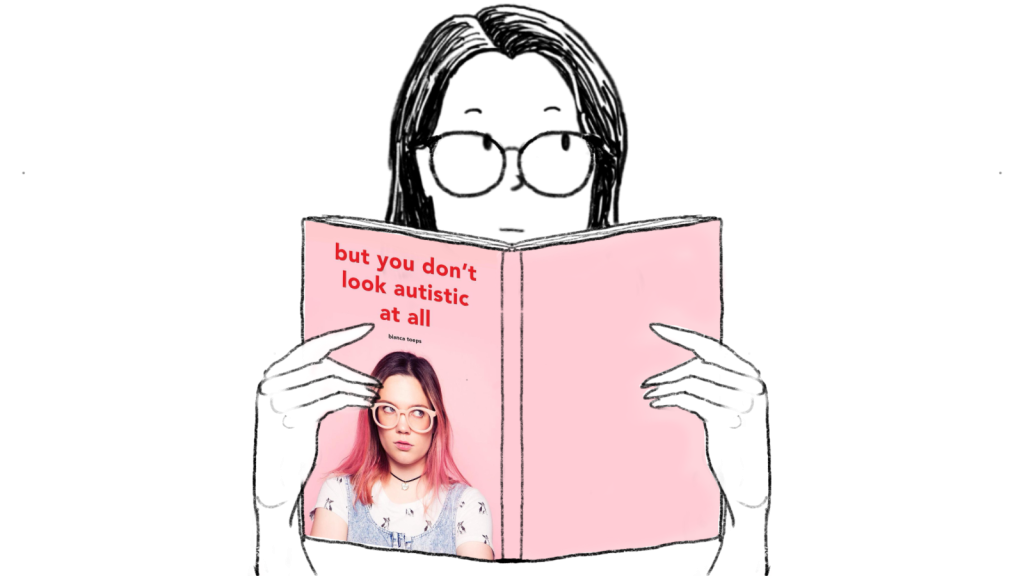
I’d had a hard-to-explain interest in autism for a long time: reading books and seeing films about autistic people who clearly needed more support than I did, and relating to them. A few years ago, I happened to pick up a book written by an autistic woman whose life looked more like mine, and it rang so many bells with me. But, for some reason, it didn’t click that I might actually be autistic.
The turning point was when a woman I knew was diagnosed. I asked her what it was like, and she replied with a detailed description in an email. When I read it, I thought: this is exactly what I am like. For the first time it really hit me: if she is autistic, then I could be too.
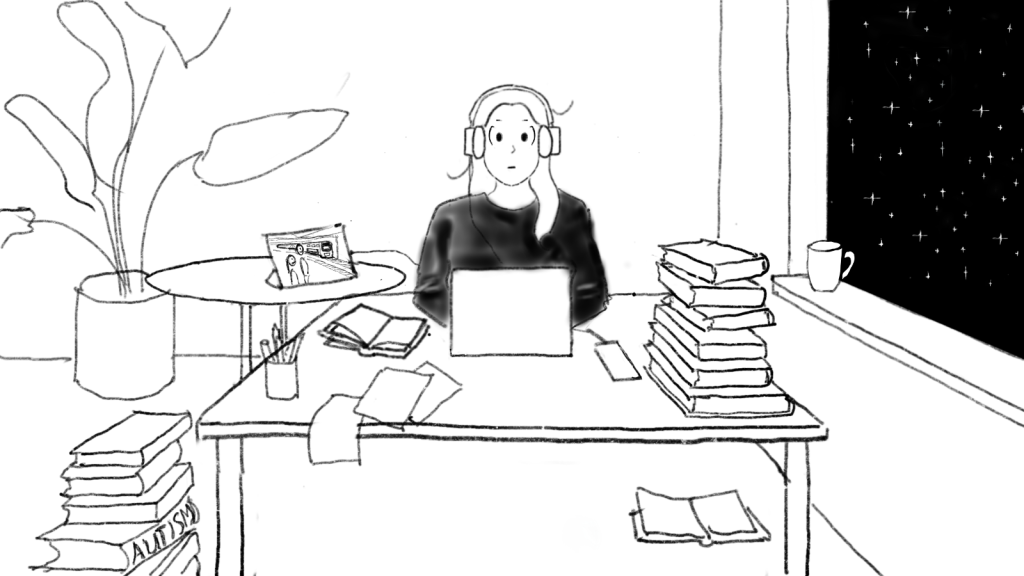
So I started my research. In fact, autism became my special interest, and I spent many days and nights thinking about it.
Diagnostic criteria
The first thing I looked at was the diagnostic criteria. Autism is diagnosed through patterns of behaviour and development, especially differences in social communication, and repetitive or restrictive behaviours and interests. (You can look the detailed criteria up here.)
To be clear: this is looking at autism from the outside. And the typical examples didn’t always apply to me. I can make eye contact. I am somewhat adept at back-and-forth social communication. I don’t flap my hands.
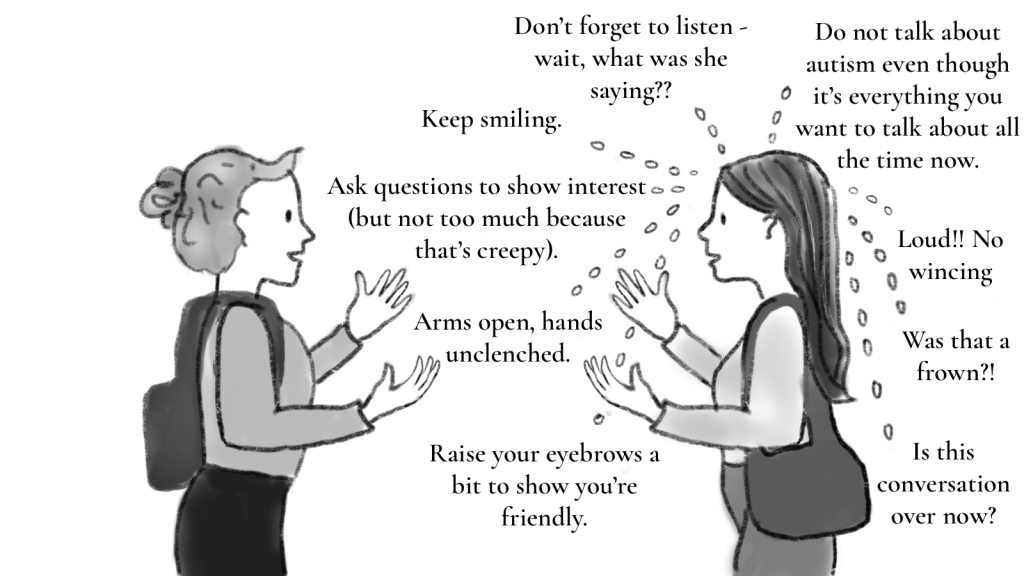
What really helped me was a recent guide called Is This Autism? that was a lot clearer on the different ways autism might surface. It didn’t just list behaviours; it allowed autistic people to talk about their experiences with each criterion. That brought it to life for me, and I could recognize myself in their descriptions. (Also see here for a good online translation of criteria to experiences).
I learned that people have caught on that some autistics (especially, but not exclusively, women) may mask their autism. People may do this without even realizing: learning workarounds and strategies to pass as non-autistic and not draw attention. More clinicians today don’t just consider behaviour, but also what underlies it.
The assessment (beyond behaviour)
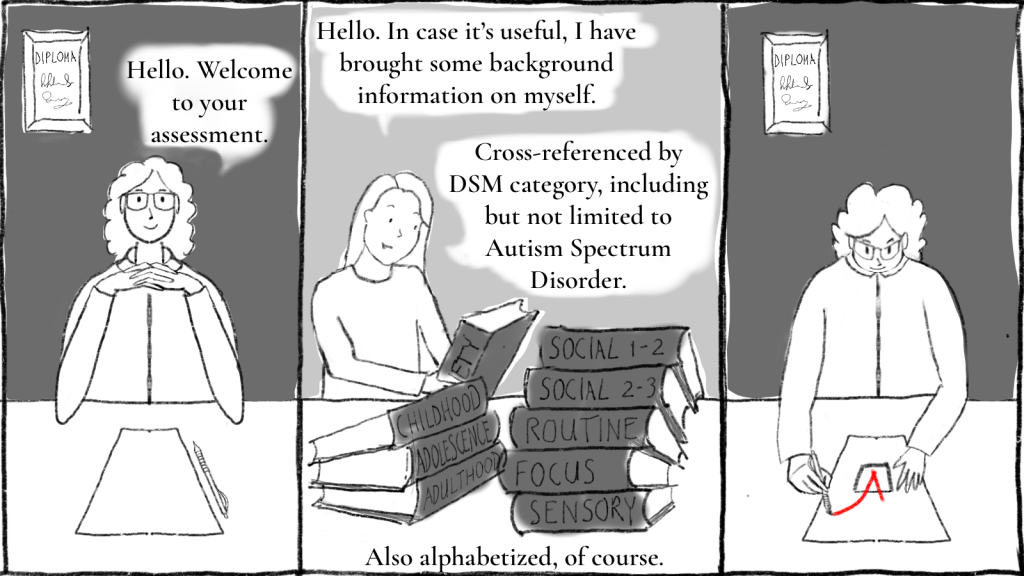
This is what eventually happened in my assessment. For example, the clinician noticed me making eye contact, but looking away whenever I had to concentrate. (Who can think and look into someone’s eyes at the same time?!) She wanted to know not just how I acted, but how I felt in social situations. (Usually pretty shitty, to be honest, but I do want to connect to people). She asked questions that weren’t just “can you do X?” but “what does X cost you?” She did tests to get a grip on how I processed information. And eventually: ding ding ding. I met all the criteria.
I was diagnosed at the age of 43. (To be clear, this took several in-depth sessions.) That helped me feel more secure about my own conclusion that I was autistic. But both before and after the diagnosis, “a clinician said so” wasn’t enough to satisfy my brain. I still wanted to know what autism is, and whether this category really holds.
The problem: no completely objective test
Part of what makes this hard is that you can’t just run a test and get a clean yes or no. Autism is usually considered a neurodevelopmental disorder, meaning the brain has developed in an atypical way. We know autism is mostly hereditary, although there may be environmental factors involved.
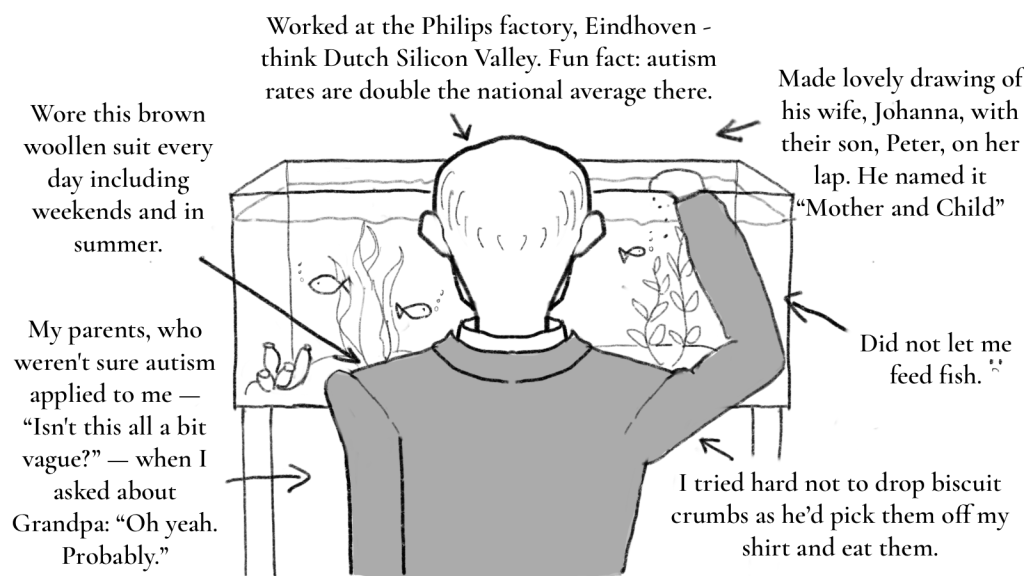
In my own family I look around and yes, there are autistic people on both sides, although mostly undiagnosed (hello, engineer Grandpa who used to read the encyclopedia A–Z!). But, although interesting differences have been found, at the moment you can’t look into someone’s genes or scan someone’s brain and determine whether or not they have autism. Which means that, even with the best clinicians, there’s still an element of human judgement involved.
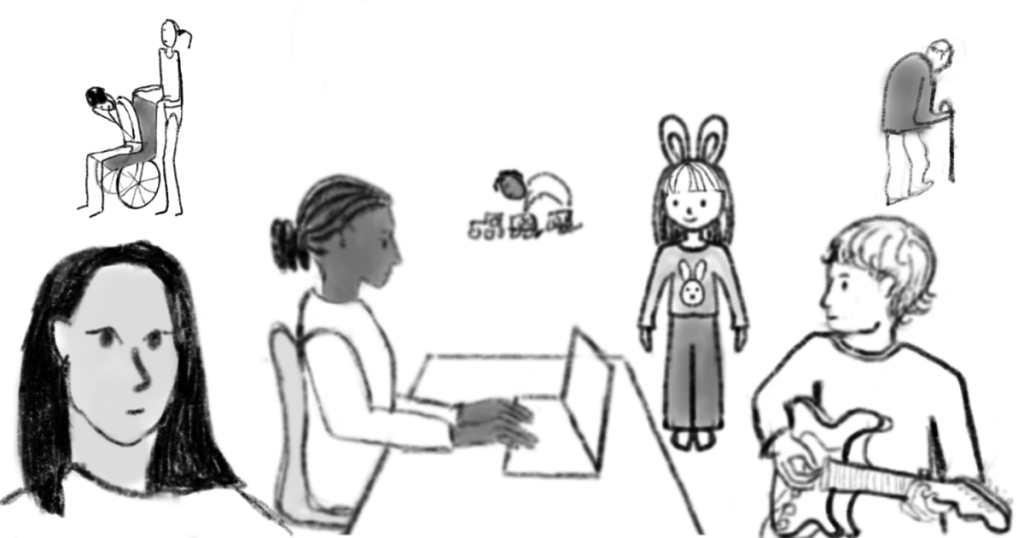
And then there’s the fact that autism is a spectrum condition. In the past, there were separate labels: Asperger’s, “classic autism”, and a catch-all “not otherwise specified” category, but for various good reasons this was abandoned. But now there’s a huge spectrum of autism with people who have widely different behaviours and experiences.
Inside the autism spectrum are people who cannot speak and need support with basic care for their entire lives; people who are excellent at coding but struggle at job interviews because of their lack of eye contact; and, apparently, philosophers who process the world through words and images. Autism often shows up at the extremes: people who want to hug others all the time and people who shy away from social contact; people who don’t notice facial expressions at all and people who, like me, hyperfocus on micro-expressions; people who want to be on rollercoasters all the time and people who avoid intense sensory input wherever possible. (Could someone lower the volume, please?) And these all belong to the same family?
Putting the pieces together
What helped me most to get a sense of what autism is, was autistic people (especially women) describing their lives in memoirs, novels, and podcasts. I love learning what makes people tick, so this was fascinating in its own right. But it also helped me recognise myself. And, being autistic, I can’t help looking for the patterns underneath all that variety.
I kept reading about autism. I work bottom-up, as autistic people apparently tend to do. I gather a pile of data points: my own and other people’s experiences, theories, bits of neuroscience, things I’ve learned in therapy, and I try to put it all together into a coherent whole. Because there are such diverse parts of autism (e.g. the social stuff on the one hand, the preferences for routine on the other), and I keep wondering: what is the link?
There are theories about autism. There’s e.g. the offensively titled “Extreme Male Brain Theory”, linked to the idea that autistics are more systematisers than empathisers, which has a lot of problems but perhaps is not entirely off-base. And then there are intriguing predictive processing ideas, about differences in how brains build expectations, deal with uncertainty, and handle surprise. François Mottron has recently argued that what sets autistics apart is that their brains develop primarily through learning from the world directly, rather than through other people. This is all fascinating, and I’m still in the process of wrapping my (chronically overwhelmed) head around it. I’m very interested in how much of autistic experience these theories can explain and how they hold up to critical scrutiny.
My hope is to produce a Theory of Everything Autism, understand it in its entirety, achieve total control, and never be surprised by anything that happens in my life again!!
OK, so maybe I’m a little ambitious. But still, I can’t help trying to understand what autism is underneath the surface: what kind of mind it is, and what might connect its different characteristics and tendencies.
Where I’ve landed so far
So you won’t find a neat answer to the question “What is autism?” in this one essay. You might find the beginning of a shape of an answer in this entire website, as it grows and starts to form. Hopefully, the different essays will illuminate different parts of the autistic experience, starting from my own. But there won’t be a final, definitive answer. Life isn’t like that, as I have reluctantly learned.
Eventually, I’ve had to acknowledge that autism isn’t such a clear-cut category, and at the same time, that I am actually autistic.
It might well be true that different people labelled “autistic” actually do not belong to the same family. It’s clear that there are different genetic patterns and different environmental factors behind autism. What we now know as “autism” may well in future be divided into different conditions. And there are edge cases, such as family members of autistic people who meet certain criteria but not others.
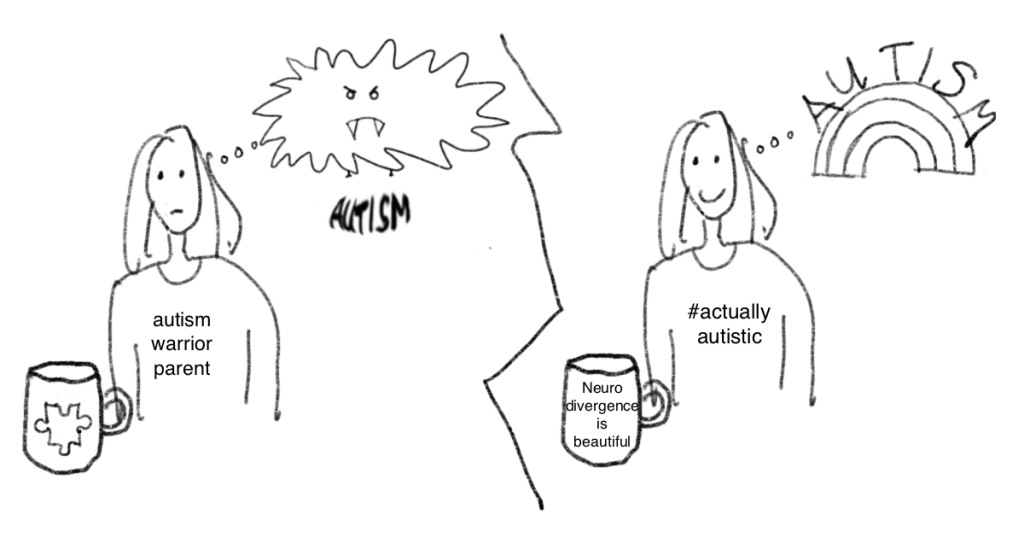
This can lead to cynicism in some corners: the idea that autism has become too broad, and now “quirky” people diagnose themselves after watching a TikTok video. People who identify as autistic then defend themselves by pointing to masking. This, like so many debates nowadays, gets pretty extreme, to where some people cast doubt on the whole idea of late diagnosis, and other people accept all self-diagnoses without question.
The truth is genuinely complicated. On the one hand, a professional assessment is not accessible to everyone, especially those in marginalized groups that are often overlooked as they don’t match the picture of autism as existing only in well-to-do white boys. On the other hand, there is a real concern about misdiagnosis, and about the label of autism becoming too broad to be informative or offer sufficient support to those who need it most.
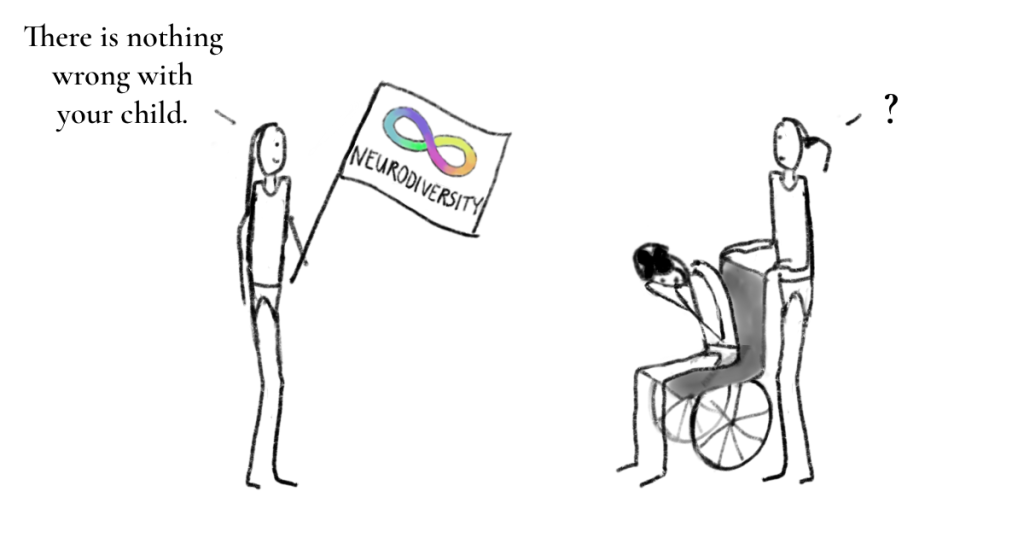
I’ll talk more about the idea of “levels” of autism elsewhere. It’s complicated. It’s not as simple as “severe” cases vs “mild “cases, because autism isn’t just about visible behaviour, but about how information is processed, and that often isn’t clearly apparent from the outside.
Why I accept the autism label
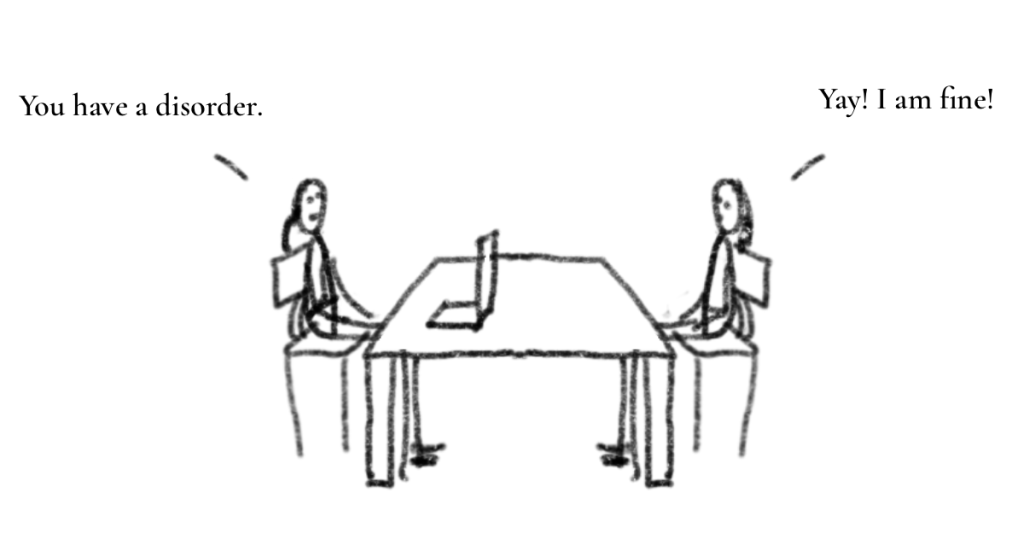
Ultimately, I accept the diagnosis of “autism” because it helps me understand myself and get the help I need. I’ve spent a lifetime trying to hide my struggles and misunderstanding them because of labels that other people applied to them. That led me down numerous paths that weren’t very effective for me or even downright destructive, and kept me functioning on a far lower level than I could have. It’s the “autism” label that helped me move down some paths that are effective for me. This is why I am interested in this label – because it is helpful.
Since my diagnosis, I’ve had a thousand “ohhh” moments. Sure, I was “shy”. But “shy” doesn’t capture the sheer workload of ordinary interaction: acting normal, tracking my expression, decoding subtext, forcing focus on what’s being said, and trying to respond “correctly” while my senses are already overloaded. Sure, I’m “sensitive”. But that doesn’t capture the way a restaurant can make my whole nervous system go on high alert, and how putting my hands over my ears can instantly drop my anxiety by a few points.
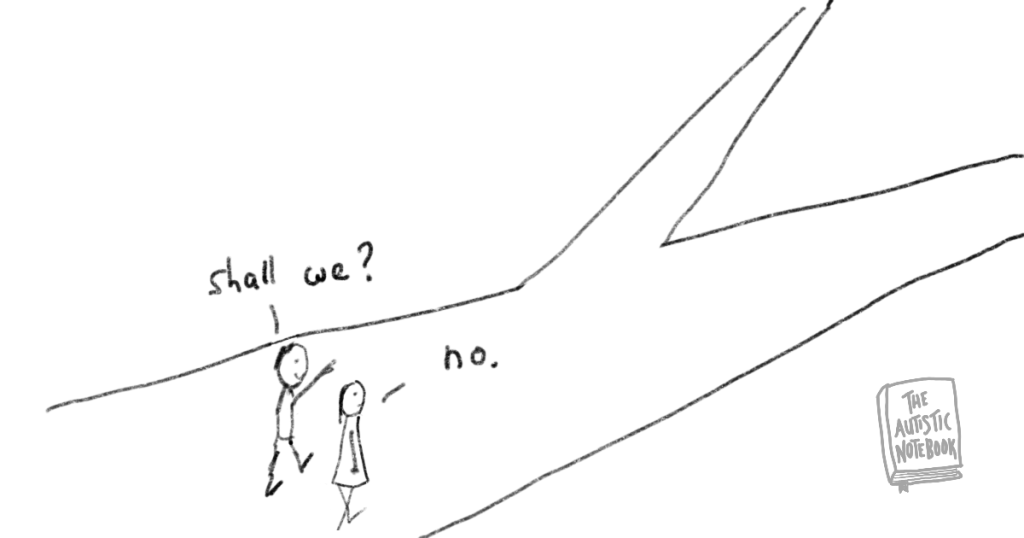
It helps explain why I want the same route, the same places, clear plans, and people sticking to them. Not because I hate new things. I actually love new experiences and new ideas. But breaking routine has a cost. Unknown circumstances can feel genuinely terrifying, and that part of me is always at war with the part that wants to explore.
Less obviously, it also explains why ordinary everyday things like buying things, cleaning, or doctor’s appointments can be overwhelmingly difficult and stress-inducing for me, even though they seem like simple, routine tasks for most people. And it helps explain the level of exhaustion I live with. I can’t always separate what’s autism and what’s chronic illness, but I can see how much effort my daily life takes.
And for the first time in my life, I have a therapist who actually gets me, who doesn’t treat my long explanatory letters as a diversion from therapy, but as part of how my mind makes sense of itself and tries to explain itself to others.
So what is autism? Well, maybe this essay gives you the start of an idea. As I said earlier, I hope this becomes clearer as I work on and expand this website, because it has so many different aspects.
And eventually, I don’t just want to understand autism. I want to be able to relate to others, exactly how I am. It’s all I’ve ever wanted to do, and something I never felt able to do. If there’s anything I’ve loved about getting to know about autism, it’s in feeling part of a community of others like me out there, even if I’ve never met them, and knowing I am not the only one.
I hope what I write here will help others feel less alone, recognise themselves, recognise our differences, and perhaps help non-autistic readers understand the autistic people in their lives.